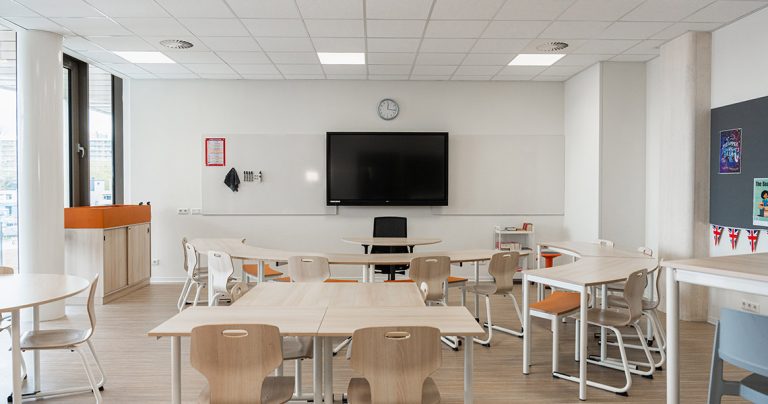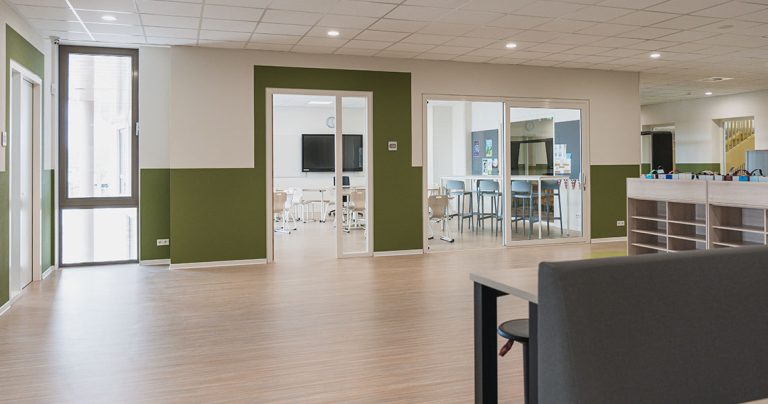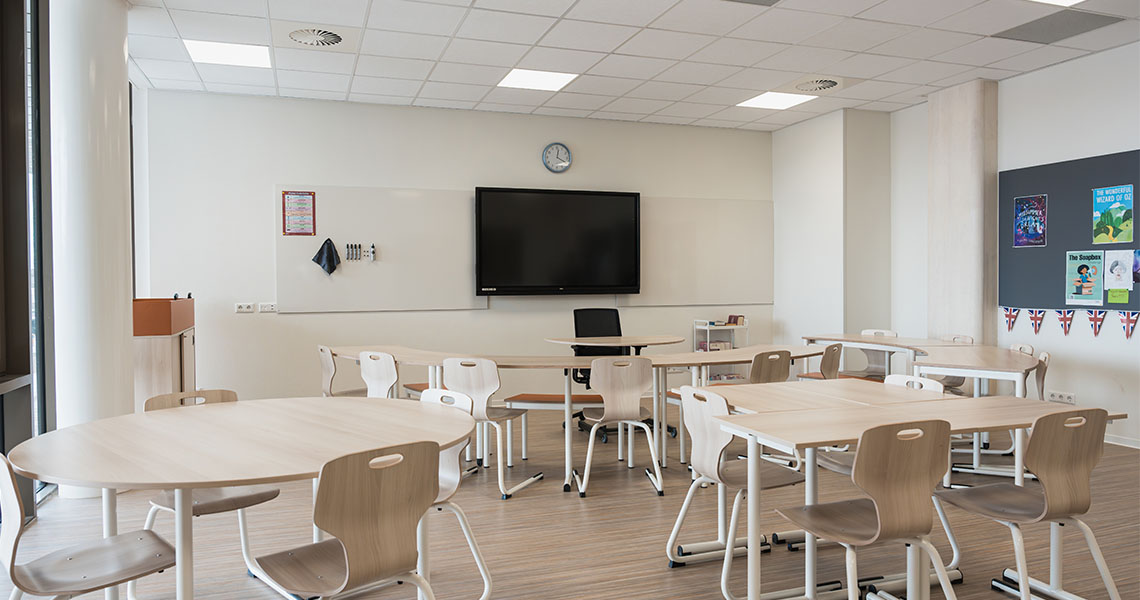
Re-specify a large learning space around seating capacity alone, and the whiteboard, the thing every seat actually needs to see clearly, can end up sized for the old room rather than the new capacity. Universities are re-specifying with a large classroom whiteboard because a bigger room only works if its shared writing surface scales with it. Plan the board alongside the capacity change and the room delivers on the expansion it was redesigned for. Institutions moving early on this are effectively setting the specification standard that others are likely to follow over the next few refurbishment cycles.

Array
(
    [1049] => WP_Post Object
        (
            [ID] => 1049
            [post_author] => 1
            [post_date] => 2026-06-17 10:36:57
            [post_date_gmt] => 2019-08-05 13:54:24
            [post_content] =>
            [post_title] => Products
            [post_excerpt] =>
            [post_status] => publish
            [comment_status] => closed
            [ping_status] => closed
            [post_password] =>
            [post_name] => whiteboards-5
            [to_ping] =>
            [pinged] =>
            [post_modified] => 2026-06-17 10:36:57
            [post_modified_gmt] => 2026-06-17 10:36:57
            [post_content_filtered] =>
            [post_parent] => 0
            [guid] => https://chameleonwriting.falkor.alcor.cloud/?p=1049
            [menu_order] => 1
            [post_type] => nav_menu_item
            [post_mime_type] =>
            [comment_count] => 0
            [filter] => raw
            [db_id] => 1049
            [menu_item_parent] => 0
            [object_id] => 1049
            [object] => custom
            [type] => custom
            [type_label] => Custom Link
            [title] => Products
            [url] => #
            [target] =>
            [attr_title] =>
            [description] =>
            [classes] => Array
                (
                    [0] =>
                )

            [xfn] =>
        )

    [12842] => WP_Post Object
        (
            [ID] => 12842
            [post_author] => 82
            [post_date] => 2026-06-17 10:36:57
            [post_date_gmt] => 2023-08-31 08:07:16
            [post_content] =>
            [post_title] =>
            [post_excerpt] =>
            [post_status] => publish
            [comment_status] => closed
            [ping_status] => closed
            [post_password] =>
            [post_name] => 12842
            [to_ping] =>
            [pinged] =>
            [post_modified] => 2026-06-17 10:36:57
            [post_modified_gmt] => 2026-06-17 10:36:57
            [post_content_filtered] =>
            [post_parent] => 0
            [guid] => https://chameleonwriting.falkor.alcor.cloud/?p=12842
            [menu_order] => 67
            [post_type] => nav_menu_item
            [post_mime_type] =>
            [comment_count] => 0
            [filter] => raw
            [db_id] => 12842
            [menu_item_parent] => 0
            [object_id] => 12839
            [object] => page
            [type] => post_type
            [type_label] => Page
            [url] => https://chameleonwriting.com/en/references-3/
            [title] => References
            [target] =>
            [attr_title] =>
            [description] =>
            [classes] => Array
                (
                    [0] =>
                )

            [xfn] =>
        )

    [11862] => WP_Post Object
        (
            [ID] => 11862
            [post_author] => 82
            [post_date] => 2026-06-17 10:36:57
            [post_date_gmt] => 2023-08-21 13:36:51
            [post_content] =>
            [post_title] => pCon
            [post_excerpt] =>
            [post_status] => publish
            [comment_status] => closed
            [ping_status] => closed
            [post_password] =>
            [post_name] => pcon-data
            [to_ping] =>
            [pinged] =>
            [post_modified] => 2026-06-17 10:36:57
            [post_modified_gmt] => 2026-06-17 10:36:57
            [post_content_filtered] =>
            [post_parent] => 4705
            [guid] => https://chameleonwriting.falkor.alcor.cloud/?p=11862
            [menu_order] => 68
            [post_type] => nav_menu_item
            [post_mime_type] =>
            [comment_count] => 0
            [filter] => raw
            [db_id] => 11862
            [menu_item_parent] => 0
            [object_id] => 4701
            [object] => page
            [type] => post_type
            [type_label] => Page
            [url] => https://chameleonwriting.com/en/information/chameleon-now-available-in-pcon/
            [title] => pCon
            [target] =>
            [attr_title] =>
            [description] =>
            [classes] => Array
                (
                    [0] =>
                )

            [xfn] =>
        )

    [32752] => WP_Post Object
        (
            [ID] => 32752
            [post_author] => 85
            [post_date] => 2026-06-17 10:36:57
            [post_date_gmt] => 2025-08-07 10:59:20
            [post_content] =>
            [post_title] => Order Samples
            [post_excerpt] =>
            [post_status] => publish
            [comment_status] => closed
            [ping_status] => closed
            [post_password] =>
            [post_name] => order-samples-2
            [to_ping] =>
            [pinged] =>
            [post_modified] => 2026-06-17 10:36:57
            [post_modified_gmt] => 2026-06-17 10:36:57
            [post_content_filtered] =>
            [post_parent] => 0
            [guid] => https://chameleonwriting.com/?p=32752
            [menu_order] => 69
            [post_type] => nav_menu_item
            [post_mime_type] =>
            [comment_count] => 0
            [filter] => raw
            [db_id] => 32752
            [menu_item_parent] => 0
            [object_id] => 32718
            [object] => page
            [type] => post_type
            [type_label] => Page
            [url] => https://chameleonwriting.com/en/chameleon-samples/
            [title] => Order Samples
            [target] =>
            [attr_title] =>
            [description] =>
            [classes] => Array
                (
                    [0] =>
                )

            [xfn] =>
        )

    [26482] => WP_Post Object
        (
            [ID] => 26482
            [post_author] => 85
            [post_date] => 2026-06-17 10:36:57
            [post_date_gmt] => 2025-01-17 11:08:57
            [post_content] =>
            [post_title] => Information
            [post_excerpt] =>
            [post_status] => publish
            [comment_status] => closed
            [ping_status] => closed
            [post_password] =>
            [post_name] => information-2
            [to_ping] =>
            [pinged] =>
            [post_modified] => 2026-06-17 10:36:57
            [post_modified_gmt] => 2026-06-17 10:36:57
            [post_content_filtered] =>
            [post_parent] => 0
            [guid] => https://chameleonwriting.com/?p=26482
            [menu_order] => 70
            [post_type] => nav_menu_item
            [post_mime_type] =>
            [comment_count] => 0
            [filter] => raw
            [db_id] => 26482
            [menu_item_parent] => 0
            [object_id] => 26482
            [object] => custom
            [type] => custom
            [type_label] => Custom Link
            [title] => Information
            [url] => #
            [target] =>
            [attr_title] =>
            [description] =>
            [classes] => Array
                (
                    [0] =>
                )

            [xfn] =>
        )

    [36031] => WP_Post Object
        (
            [ID] => 36031
            [post_author] => 85
            [post_date] => 2026-06-17 10:36:57
            [post_date_gmt] => 2025-11-12 11:54:33
            [post_content] =>
            [post_title] => ProTips
            [post_excerpt] =>
            [post_status] => publish
            [comment_status] => closed
            [ping_status] => closed
            [post_password] =>
            [post_name] => protips-2
            [to_ping] =>
            [pinged] =>
            [post_modified] => 2026-06-17 10:36:57
            [post_modified_gmt] => 2026-06-17 10:36:57
            [post_content_filtered] =>
            [post_parent] => 0
            [guid] => https://chameleonwriting.com/?p=36031
            [menu_order] => 77
            [post_type] => nav_menu_item
            [post_mime_type] =>
            [comment_count] => 0
            [filter] => raw
            [db_id] => 36031
            [menu_item_parent] => 0
            [object_id] => -325
            [object] => kennisbank
            [type] => post_type_archive
            [title] => ProTips
            [type_label] => Post Type Archive
            [url] => https://chameleonwriting.com/en/protips/
            [target] =>
            [attr_title] =>
            [description] =>
            [classes] => Array
                (
                    [0] =>
                )

            [xfn] =>
        )

    [19332] => WP_Post Object
        (
            [ID] => 19332
            [post_author] => 3
            [post_date] => 2026-06-17 10:36:57
            [post_date_gmt] => 2024-05-14 11:58:44
            [post_content] =>
            [post_title] => Contact
            [post_excerpt] =>
            [post_status] => publish
            [comment_status] => closed
            [ping_status] => closed
            [post_password] =>
            [post_name] => contact-4
            [to_ping] =>
            [pinged] =>
            [post_modified] => 2026-06-17 10:36:57
            [post_modified_gmt] => 2026-06-17 10:36:57
            [post_content_filtered] =>
            [post_parent] => 0
            [guid] => https://chameleonwriting.com/?p=19332
            [menu_order] => 78
            [post_type] => nav_menu_item
            [post_mime_type] =>
            [comment_count] => 0
            [filter] => raw
            [db_id] => 19332
            [menu_item_parent] => 0
            [object_id] => 19332
            [object] => custom
            [type] => custom
            [type_label] => Custom Link
            [title] => Contact
            [url] => https://chameleonwriting.com/en/contact/
            [target] =>
            [attr_title] =>
            [description] =>
            [classes] => Array
                (
                    [0] =>
                )

            [xfn] =>
        )

    [12326] => WP_Post Object
        (
            [ID] => 12326
            [post_author] => 82
            [post_date] => 2026-06-17 10:36:57
            [post_date_gmt] => 2023-08-25 07:08:58
            [post_content] =>
            [post_title] => Languages
            [post_excerpt] =>
            [post_status] => publish
            [comment_status] => closed
            [ping_status] => closed
            [post_password] =>
            [post_name] => taalschakelaar-6
            [to_ping] =>
            [pinged] =>
            [post_modified] => 2026-06-17 10:36:57
            [post_modified_gmt] => 2026-06-17 10:36:57
            [post_content_filtered] =>
            [post_parent] => 0
            [guid] => https://chameleonwriting.falkor.alcor.cloud/?p=12326
            [menu_order] => 79
            [post_type] => nav_menu_item
            [post_mime_type] =>
            [comment_count] => 0
            [filter] => raw
            [db_id] => 12326
            [menu_item_parent] => 0
            [object_id] => 12326
            [object] => custom
            [type] => custom
            [type_label] => Language switcher
            [title] => EN
            [url] => #pll_switcher
            [target] =>
            [attr_title] =>
            [description] =>
            [classes] => Array
                (
                    [0] => pll-parent-menu-item
                )

            [xfn] =>
        )

)
1
News
Why universities are re-specifying large learning spaces with a large classroom whiteboard
A shift back toward physical writing space
Feedback from lecturing staff in STEM subjects in particular has highlighted that projected slides work well for prepared content but poorly for live, step-by-step working, where a large classroom whiteboard lets an idea build visibly in front of students rather than appearing complete on a slide. Mathematics, physics and engineering departments have been especially vocal, since these subjects rely heavily on worked examples that are difficult to replicate convincingly on a static slide.
Some departments have combined this with hybrid teaching setups, positioning a camera to capture the whiteboard directly rather than relying solely on screen-share software, so remote students see the same live working that in-room students do.
How this changes a refurbishment brief
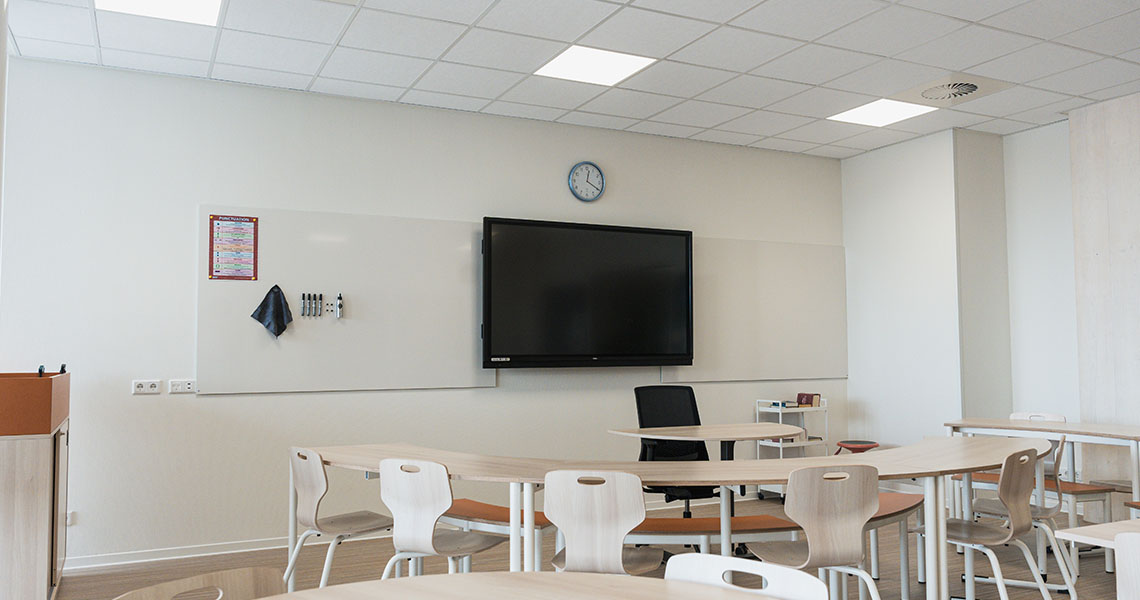
Where a large learning space refurbishment brief once treated the whiteboard as an afterthought behind a projection screen, some briefs now specify writing surface area and visibility as a primary requirement, sized and positioned before the projection setup rather than around it. New-build learning spaces are following the same logic, increasingly specifying writing surface area as a fixed requirement in the architectural brief from the outset rather than adding it once seating and projection are finalised. For universities not undertaking a full refurbishment or new build, retrofitting a larger or better-positioned whiteboard into an existing large learning space is often a lower-cost way to address the same feedback without redesigning the whole room around projection and seating.
This has practical knock-on effects for classroom furniture layout too, since seating and desks are increasingly arranged to prioritise sightlines to the writing surface rather than the projection screen, reversing a layout assumption that had held for the better part of two decades.
Estates teams reviewing this shift are also worth consulting early, since they will ultimately be responsible for scheduling any wall or wiring changes the new specification requires.
Anecdotal feedback carries real weight in these decisions but is strengthened considerably when paired with even a small, structured survey rather than relying on informal conversation alone.
What's driving this shift, and what happens next
Feedback driving this change comes from more than one direction. Beyond staff in technical subjects, some institutions are now also gathering informal student feedback on large learning space visibility, which in several cases has reinforced staff observations about the value of a larger, better-positioned writing surface over relying on projection alone. As more institutions publish outcomes from these changes, large learning space specifications are likely to keep weighting visibility and writing space more heavily relative to digital display than they did over the previous decade, particularly as clearer guidance emerges on the ratio of writing surface to projection area that works best for different subjects and room sizes.
None of this suggests projection is being abandoned — the two are increasingly treated as complementary rather than competing tools within the same room.
A practical, lower-risk way to start
Not every institution has budget for a full large learning space refurbishment, and this shift doesn’t require one. A single academic department piloting the change in one large learning space, then gathering feedback before extending the approach further, gives an institution a lower-risk way to validate the benefit before committing to a wider rollout. Smaller institutions can apply the same principle at a smaller scale too, incrementally upgrading writing surfaces room by room as budget allows, moving toward the same standard gradually rather than waiting for one large capital project.
Some institutions have also found it useful to track a simple before-and-after metric, such as student satisfaction survey scores for a specific module, to build an evidence base that supports further investment beyond the pilot room.
This gradual approach also spreads the disruption of installation across several smaller windows rather than closing multiple rooms for refurbishment at once.
Why this belongs in a wider estates strategy
Facilities teams increasingly frame writing surface upgrades as part of a broader estates strategy around teaching quality, rather than a standalone furniture decision, which helps secure ongoing budget for further rooms over time. Compared with major digital infrastructure investment, upgrading to a large classroom whiteboard is a relatively low-cost change, which is part of why several institutions have prioritised it as an early, visible improvement within a broader estates plan. Whatever pace an institution moves at, the underlying evidence points the same direction: writing surfaces sized and positioned for genuine visibility support teaching in ways projection alone has not fully replaced.
Pairing that story with a rough cost comparison against a single AV upgrade often makes the relative value of the change easier to grasp quickly.
What to ask before your next site visit or budget review
Before presenting this shift to leadership or a budget committee, prepare a short case built on the specific feedback your own teaching staff have given, rather than a general trend argument. A concrete example, such as a lecturer describing a specific lesson that suffered from poor writing space, tends to move a budget conversation forward faster than a general observation about industry direction.
Looking for a large classroom whiteboard?
Reviewing a large learning space specification? Chameleon’s large classroom whiteboards are sized and positioned around how the room is actually taught in.
Need immediate help and advice with your choice?