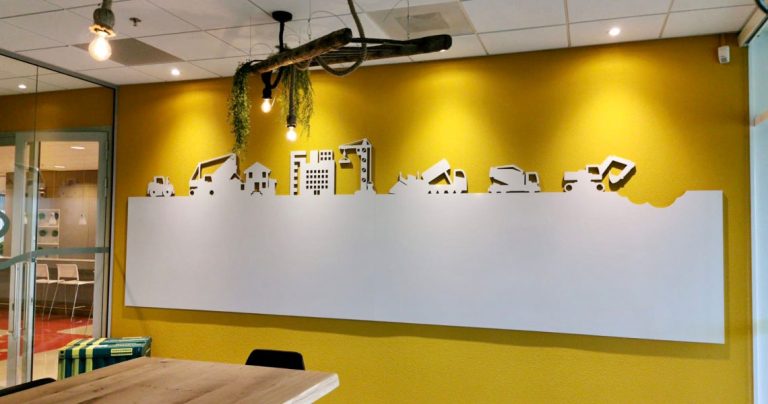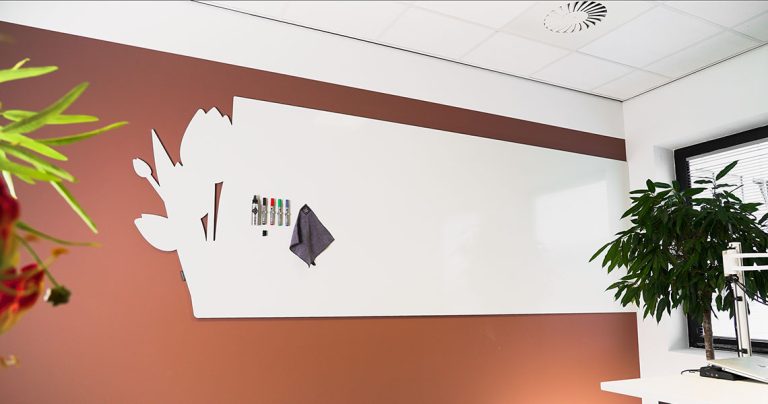
Ask what a bespoke whiteboard wall costs and get a single number back, and it is easy to assume the price reflects size alone, when panel shape, finish and installation complexity usually account for more of it. Understanding what actually determines the cost, not just the total, makes it possible to see where a budget is actually being spent and where it has room to flex. Know that going in and a bespoke quote stops being a mystery number to accept or reject.

Array
(
    [1049] => WP_Post Object
        (
            [ID] => 1049
            [post_author] => 1
            [post_date] => 2026-10-20 06:45:09
            [post_date_gmt] => 2019-08-05 13:54:24
            [post_content] =>
            [post_title] => Products
            [post_excerpt] =>
            [post_status] => publish
            [comment_status] => closed
            [ping_status] => closed
            [post_password] =>
            [post_name] => whiteboards-5
            [to_ping] =>
            [pinged] =>
            [post_modified] => 2026-10-20 06:45:09
            [post_modified_gmt] => 2026-10-20 06:45:09
            [post_content_filtered] =>
            [post_parent] => 0
            [guid] => https://chameleonwriting.falkor.alcor.cloud/?p=1049
            [menu_order] => 1
            [post_type] => nav_menu_item
            [post_mime_type] =>
            [comment_count] => 0
            [filter] => raw
            [db_id] => 1049
            [menu_item_parent] => 0
            [object_id] => 1049
            [object] => custom
            [type] => custom
            [type_label] => Custom Link
            [title] => Products
            [url] => #
            [target] =>
            [attr_title] =>
            [description] =>
            [classes] => Array
                (
                    [0] =>
                )

            [xfn] =>
        )

    [12842] => WP_Post Object
        (
            [ID] => 12842
            [post_author] => 82
            [post_date] => 2026-10-20 06:45:10
            [post_date_gmt] => 2023-08-31 08:07:16
            [post_content] =>
            [post_title] =>
            [post_excerpt] =>
            [post_status] => publish
            [comment_status] => closed
            [ping_status] => closed
            [post_password] =>
            [post_name] => 12842
            [to_ping] =>
            [pinged] =>
            [post_modified] => 2026-10-20 06:45:10
            [post_modified_gmt] => 2026-10-20 06:45:10
            [post_content_filtered] =>
            [post_parent] => 0
            [guid] => https://chameleonwriting.falkor.alcor.cloud/?p=12842
            [menu_order] => 68
            [post_type] => nav_menu_item
            [post_mime_type] =>
            [comment_count] => 0
            [filter] => raw
            [db_id] => 12842
            [menu_item_parent] => 0
            [object_id] => 12839
            [object] => page
            [type] => post_type
            [type_label] => Page
            [url] => https://chameleonwriting.com/en/references-3/
            [title] => References
            [target] =>
            [attr_title] =>
            [description] =>
            [classes] => Array
                (
                    [0] =>
                )

            [xfn] =>
        )

    [11862] => WP_Post Object
        (
            [ID] => 11862
            [post_author] => 82
            [post_date] => 2026-10-20 06:45:10
            [post_date_gmt] => 2023-08-21 13:36:51
            [post_content] =>
            [post_title] => pCon
            [post_excerpt] =>
            [post_status] => publish
            [comment_status] => closed
            [ping_status] => closed
            [post_password] =>
            [post_name] => pcon-data
            [to_ping] =>
            [pinged] =>
            [post_modified] => 2026-10-20 06:45:10
            [post_modified_gmt] => 2026-10-20 06:45:10
            [post_content_filtered] =>
            [post_parent] => 642
            [guid] => https://chameleonwriting.falkor.alcor.cloud/?p=11862
            [menu_order] => 69
            [post_type] => nav_menu_item
            [post_mime_type] =>
            [comment_count] => 0
            [filter] => raw
            [db_id] => 11862
            [menu_item_parent] => 0
            [object_id] => 4701
            [object] => page
            [type] => post_type
            [type_label] => Page
            [url] => https://chameleonwriting.com/en/information/chameleon-now-available-in-pcon/
            [title] => pCon
            [target] =>
            [attr_title] =>
            [description] =>
            [classes] => Array
                (
                    [0] =>
                )

            [xfn] =>
        )

    [32752] => WP_Post Object
        (
            [ID] => 32752
            [post_author] => 85
            [post_date] => 2026-10-20 06:45:10
            [post_date_gmt] => 2025-08-07 10:59:20
            [post_content] =>
            [post_title] => Order Samples
            [post_excerpt] =>
            [post_status] => publish
            [comment_status] => closed
            [ping_status] => closed
            [post_password] =>
            [post_name] => order-samples-2
            [to_ping] =>
            [pinged] =>
            [post_modified] => 2026-10-20 06:45:10
            [post_modified_gmt] => 2026-10-20 06:45:10
            [post_content_filtered] =>
            [post_parent] => 0
            [guid] => https://chameleonwriting.com/?p=32752
            [menu_order] => 70
            [post_type] => nav_menu_item
            [post_mime_type] =>
            [comment_count] => 0
            [filter] => raw
            [db_id] => 32752
            [menu_item_parent] => 0
            [object_id] => 32718
            [object] => page
            [type] => post_type
            [type_label] => Page
            [url] => https://chameleonwriting.com/en/chameleon-samples/
            [title] => Order Samples
            [target] =>
            [attr_title] =>
            [description] =>
            [classes] => Array
                (
                    [0] =>
                )

            [xfn] =>
        )

    [26482] => WP_Post Object
        (
            [ID] => 26482
            [post_author] => 85
            [post_date] => 2026-10-20 06:45:10
            [post_date_gmt] => 2025-01-17 11:08:57
            [post_content] =>
            [post_title] => Information
            [post_excerpt] =>
            [post_status] => publish
            [comment_status] => closed
            [ping_status] => closed
            [post_password] =>
            [post_name] => information-2
            [to_ping] =>
            [pinged] =>
            [post_modified] => 2026-10-20 06:45:10
            [post_modified_gmt] => 2026-10-20 06:45:10
            [post_content_filtered] =>
            [post_parent] => 0
            [guid] => https://chameleonwriting.com/?p=26482
            [menu_order] => 71
            [post_type] => nav_menu_item
            [post_mime_type] =>
            [comment_count] => 0
            [filter] => raw
            [db_id] => 26482
            [menu_item_parent] => 0
            [object_id] => 26482
            [object] => custom
            [type] => custom
            [type_label] => Custom Link
            [title] => Information
            [url] => #
            [target] =>
            [attr_title] =>
            [description] =>
            [classes] => Array
                (
                    [0] =>
                )

            [xfn] =>
        )

    [36031] => WP_Post Object
        (
            [ID] => 36031
            [post_author] => 85
            [post_date] => 2026-10-20 06:45:10
            [post_date_gmt] => 2025-11-12 11:54:33
            [post_content] =>
            [post_title] => ProTips
            [post_excerpt] =>
            [post_status] => publish
            [comment_status] => closed
            [ping_status] => closed
            [post_password] =>
            [post_name] => protips-2
            [to_ping] =>
            [pinged] =>
            [post_modified] => 2026-10-20 06:45:10
            [post_modified_gmt] => 2026-10-20 06:45:10
            [post_content_filtered] =>
            [post_parent] => 0
            [guid] => https://chameleonwriting.com/?p=36031
            [menu_order] => 78
            [post_type] => nav_menu_item
            [post_mime_type] =>
            [comment_count] => 0
            [filter] => raw
            [db_id] => 36031
            [menu_item_parent] => 0
            [object_id] => -325
            [object] => kennisbank
            [type] => post_type_archive
            [title] => ProTips
            [type_label] => Post Type Archive
            [url] => https://chameleonwriting.com/en/protips/
            [target] =>
            [attr_title] =>
            [description] =>
            [classes] => Array
                (
                    [0] =>
                )

            [xfn] =>
        )

    [19332] => WP_Post Object
        (
            [ID] => 19332
            [post_author] => 3
            [post_date] => 2026-10-20 06:45:10
            [post_date_gmt] => 2024-05-14 11:58:44
            [post_content] =>
            [post_title] => Contact
            [post_excerpt] =>
            [post_status] => publish
            [comment_status] => closed
            [ping_status] => closed
            [post_password] =>
            [post_name] => contact-4
            [to_ping] =>
            [pinged] =>
            [post_modified] => 2026-10-20 06:45:10
            [post_modified_gmt] => 2026-10-20 06:45:10
            [post_content_filtered] =>
            [post_parent] => 0
            [guid] => https://chameleonwriting.com/?p=19332
            [menu_order] => 79
            [post_type] => nav_menu_item
            [post_mime_type] =>
            [comment_count] => 0
            [filter] => raw
            [db_id] => 19332
            [menu_item_parent] => 0
            [object_id] => 19332
            [object] => custom
            [type] => custom
            [type_label] => Custom Link
            [title] => Contact
            [url] => https://chameleonwriting.com/en/contact/
            [target] =>
            [attr_title] =>
            [description] =>
            [classes] => Array
                (
                    [0] =>
                )

            [xfn] =>
        )

    [12326] => WP_Post Object
        (
            [ID] => 12326
            [post_author] => 82
            [post_date] => 2026-10-20 06:45:10
            [post_date_gmt] => 2023-08-25 07:08:58
            [post_content] =>
            [post_title] => Languages
            [post_excerpt] =>
            [post_status] => publish
            [comment_status] => closed
            [ping_status] => closed
            [post_password] =>
            [post_name] => taalschakelaar-6
            [to_ping] =>
            [pinged] =>
            [post_modified] => 2026-10-20 06:45:10
            [post_modified_gmt] => 2026-10-20 06:45:10
            [post_content_filtered] =>
            [post_parent] => 0
            [guid] => https://chameleonwriting.falkor.alcor.cloud/?p=12326
            [menu_order] => 80
            [post_type] => nav_menu_item
            [post_mime_type] =>
            [comment_count] => 0
            [filter] => raw
            [db_id] => 12326
            [menu_item_parent] => 0
            [object_id] => 12326
            [object] => custom
            [type] => custom
            [type_label] => Language switcher
            [title] => EN
            [url] => #pll_switcher
            [target] =>
            [attr_title] =>
            [description] =>
            [classes] => Array
                (
                    [0] => pll-parent-menu-item
                )

            [xfn] =>
        )

)
1
News
What determines the cost of a bespoke whiteboard wall
Total surface area and panel count
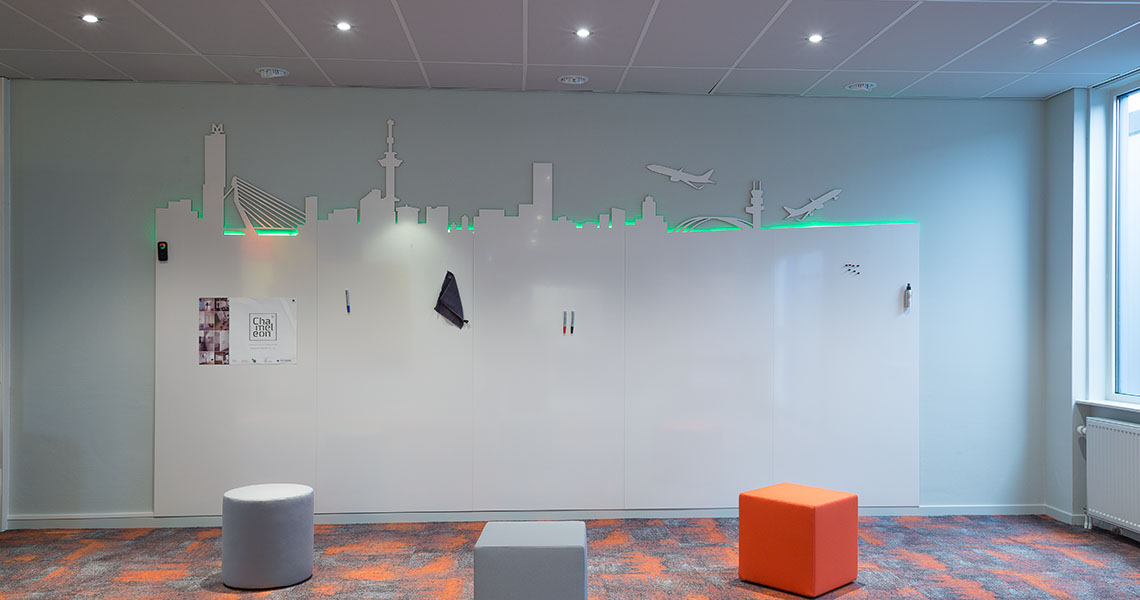
The most obvious cost driver is simply how much surface area needs to be covered, but the number of individual panels required to achieve that coverage also matters, since more panels generally mean more joins, more edge finishing and more installation time. Two walls of identical total size can end up priced quite differently if one requires significantly more individual panels to achieve the same coverage. Discussing panel configuration options with a supplier before finalising the design can sometimes reveal a more cost-effective layout without compromising the finished result. This is one of the easiest conversations to have early, since it costs nothing to ask and can meaningfully affect the final price.
Each individual panel is manufactured up to a maximum of 1180 by 2980 millimetres, so a wall close to that limit per panel generally needs fewer joins, and therefore less edge finishing and installation time, than one built from several smaller panels covering the same total area. This is one of the more straightforward factors to estimate accurately from an early survey, which is why it is usually one of the first numbers a supplier can confirm.
Complexity of the wall itself
A straight, flat wall with generous access is more straightforward to survey, manufacture for, and install than a wall with angles, columns or obstructions, all of which add time and complexity at every stage of the project. It is worth asking a supplier to flag any wall features early that they expect will add meaningfully to cost, rather than discovering this once a full quote has already been prepared. A wall that looks simple from a distance can still carry hidden complexity once services and structural elements behind it are properly accounted for.
Wall assessment for Chameleon’s TÜV-certified magnetic mounting system is part of this complexity too, since a wall needing additional reinforcement or a non-standard fixing approach adds time at both the survey and installation stages.
Surface material and finish choice
Ceramic steel generally costs more than a lower-grade surface, and a custom colour or finish adds further cost compared with a standard white option, though this difference is usually justified by long-term performance. A custom colour matched to a specific brand or interior palette typically adds a modest premium on top of the base material cost, which is worth budgeting for separately from the core surface decision. This premium is generally modest compared with the overall project cost, and most teams find it worthwhile once the finished wall is installed and visible daily.
Every finish, whether standard white or one of the 15 SatinTones tones, carries the same lifetime warranty on writing and erasing, so the cost difference reflects the finish itself rather than any difference in cover or durability.
Installation access and site conditions
A wall in an easily accessible ground-floor room costs less to install than one requiring difficult access, out-of-hours work, or careful coordination around other trades already on site. This is one of the more variable cost factors between projects, and one of the easiest to underestimate if it is not discussed explicitly with a supplier early on. Flagging any known access restrictions, such as limited lift capacity or restricted working hours, as early as possible helps a supplier price this accurately from the outset.
Installing a large wall in stages to minimise disruption to an occupied space is also a cost factor worth discussing early, since staged installation generally takes longer in total than a single continuous install, even though it is often the more practical approach for a working office.
Lead time and project urgency
A standard lead time generally keeps costs lower than a rushed timeline, since expedited production and installation often carry a premium compared with a schedule that allows normal production time. Building a realistic timeline into the project from the outset is usually the more cost-effective route compared with requesting an accelerated schedule closer to the installation date. Suppliers experienced with bespoke work can usually give a realistic sense of standard lead time early, which helps set expectations before cost becomes a factor.
This applies regardless of finish or panel configuration, since every Chameleon panel, whatever its size or colour, is built on the same FSC-certified MDF core with a Cradle to Cradle Bronze certified enamel layer, so standard lead time is not affected by sustainability credentials, only by production volume and complexity.
Getting a quote that's genuinely comparable
When comparing quotes from more than one supplier, it is worth checking that each one is pricing against the same specification, not just a similar-sounding description, since small differences in panel count, finish or installation access assumptions can account for a meaningful part of any price gap. Asking each supplier to itemise their quote by the same categories, surface area, complexity, finish, access and lead time, makes it far easier to see where the real differences lie rather than comparing two single numbers in isolation. This is particularly useful on a larger project where even a small percentage difference between quotes represents a significant amount in absolute terms.
Looking for a bespoke whiteboard wall?
Learn how Chameleon bespoke whiteboard walls can be specified for your project.
Need immediate help and advice with your choice?