
Treat a custom whiteboard as just a writing surface, and a company can miss a genuinely useful branding opportunity sitting on a wall that gets looked at every single day. More companies are treating it as a branding surface instead, because a wall used constantly is a more consistent audience than most other branded surfaces in an office. Recognise that and a custom whiteboard earns its place in a marketing conversation, not just a facilities one.

Array
(
    [1049] => WP_Post Object
        (
            [ID] => 1049
            [post_author] => 1
            [post_date] => 2026-06-17 10:36:57
            [post_date_gmt] => 2019-08-05 13:54:24
            [post_content] =>
            [post_title] => Products
            [post_excerpt] =>
            [post_status] => publish
            [comment_status] => closed
            [ping_status] => closed
            [post_password] =>
            [post_name] => whiteboards-5
            [to_ping] =>
            [pinged] =>
            [post_modified] => 2026-06-17 10:36:57
            [post_modified_gmt] => 2026-06-17 10:36:57
            [post_content_filtered] =>
            [post_parent] => 0
            [guid] => https://chameleonwriting.falkor.alcor.cloud/?p=1049
            [menu_order] => 1
            [post_type] => nav_menu_item
            [post_mime_type] =>
            [comment_count] => 0
            [filter] => raw
            [db_id] => 1049
            [menu_item_parent] => 0
            [object_id] => 1049
            [object] => custom
            [type] => custom
            [type_label] => Custom Link
            [title] => Products
            [url] => #
            [target] =>
            [attr_title] =>
            [description] =>
            [classes] => Array
                (
                    [0] =>
                )

            [xfn] =>
        )

    [12842] => WP_Post Object
        (
            [ID] => 12842
            [post_author] => 82
            [post_date] => 2026-06-17 10:36:57
            [post_date_gmt] => 2023-08-31 08:07:16
            [post_content] =>
            [post_title] =>
            [post_excerpt] =>
            [post_status] => publish
            [comment_status] => closed
            [ping_status] => closed
            [post_password] =>
            [post_name] => 12842
            [to_ping] =>
            [pinged] =>
            [post_modified] => 2026-06-17 10:36:57
            [post_modified_gmt] => 2026-06-17 10:36:57
            [post_content_filtered] =>
            [post_parent] => 0
            [guid] => https://chameleonwriting.falkor.alcor.cloud/?p=12842
            [menu_order] => 67
            [post_type] => nav_menu_item
            [post_mime_type] =>
            [comment_count] => 0
            [filter] => raw
            [db_id] => 12842
            [menu_item_parent] => 0
            [object_id] => 12839
            [object] => page
            [type] => post_type
            [type_label] => Page
            [url] => https://chameleonwriting.com/en/references-3/
            [title] => References
            [target] =>
            [attr_title] =>
            [description] =>
            [classes] => Array
                (
                    [0] =>
                )

            [xfn] =>
        )

    [11862] => WP_Post Object
        (
            [ID] => 11862
            [post_author] => 82
            [post_date] => 2026-06-17 10:36:57
            [post_date_gmt] => 2023-08-21 13:36:51
            [post_content] =>
            [post_title] => pCon
            [post_excerpt] =>
            [post_status] => publish
            [comment_status] => closed
            [ping_status] => closed
            [post_password] =>
            [post_name] => pcon-data
            [to_ping] =>
            [pinged] =>
            [post_modified] => 2026-06-17 10:36:57
            [post_modified_gmt] => 2026-06-17 10:36:57
            [post_content_filtered] =>
            [post_parent] => 4705
            [guid] => https://chameleonwriting.falkor.alcor.cloud/?p=11862
            [menu_order] => 68
            [post_type] => nav_menu_item
            [post_mime_type] =>
            [comment_count] => 0
            [filter] => raw
            [db_id] => 11862
            [menu_item_parent] => 0
            [object_id] => 4701
            [object] => page
            [type] => post_type
            [type_label] => Page
            [url] => https://chameleonwriting.com/en/information/chameleon-now-available-in-pcon/
            [title] => pCon
            [target] =>
            [attr_title] =>
            [description] =>
            [classes] => Array
                (
                    [0] =>
                )

            [xfn] =>
        )

    [32752] => WP_Post Object
        (
            [ID] => 32752
            [post_author] => 85
            [post_date] => 2026-06-17 10:36:57
            [post_date_gmt] => 2025-08-07 10:59:20
            [post_content] =>
            [post_title] => Order Samples
            [post_excerpt] =>
            [post_status] => publish
            [comment_status] => closed
            [ping_status] => closed
            [post_password] =>
            [post_name] => order-samples-2
            [to_ping] =>
            [pinged] =>
            [post_modified] => 2026-06-17 10:36:57
            [post_modified_gmt] => 2026-06-17 10:36:57
            [post_content_filtered] =>
            [post_parent] => 0
            [guid] => https://chameleonwriting.com/?p=32752
            [menu_order] => 69
            [post_type] => nav_menu_item
            [post_mime_type] =>
            [comment_count] => 0
            [filter] => raw
            [db_id] => 32752
            [menu_item_parent] => 0
            [object_id] => 32718
            [object] => page
            [type] => post_type
            [type_label] => Page
            [url] => https://chameleonwriting.com/en/chameleon-samples/
            [title] => Order Samples
            [target] =>
            [attr_title] =>
            [description] =>
            [classes] => Array
                (
                    [0] =>
                )

            [xfn] =>
        )

    [26482] => WP_Post Object
        (
            [ID] => 26482
            [post_author] => 85
            [post_date] => 2026-06-17 10:36:57
            [post_date_gmt] => 2025-01-17 11:08:57
            [post_content] =>
            [post_title] => Information
            [post_excerpt] =>
            [post_status] => publish
            [comment_status] => closed
            [ping_status] => closed
            [post_password] =>
            [post_name] => information-2
            [to_ping] =>
            [pinged] =>
            [post_modified] => 2026-06-17 10:36:57
            [post_modified_gmt] => 2026-06-17 10:36:57
            [post_content_filtered] =>
            [post_parent] => 0
            [guid] => https://chameleonwriting.com/?p=26482
            [menu_order] => 70
            [post_type] => nav_menu_item
            [post_mime_type] =>
            [comment_count] => 0
            [filter] => raw
            [db_id] => 26482
            [menu_item_parent] => 0
            [object_id] => 26482
            [object] => custom
            [type] => custom
            [type_label] => Custom Link
            [title] => Information
            [url] => #
            [target] =>
            [attr_title] =>
            [description] =>
            [classes] => Array
                (
                    [0] =>
                )

            [xfn] =>
        )

    [36031] => WP_Post Object
        (
            [ID] => 36031
            [post_author] => 85
            [post_date] => 2026-06-17 10:36:57
            [post_date_gmt] => 2025-11-12 11:54:33
            [post_content] =>
            [post_title] => ProTips
            [post_excerpt] =>
            [post_status] => publish
            [comment_status] => closed
            [ping_status] => closed
            [post_password] =>
            [post_name] => protips-2
            [to_ping] =>
            [pinged] =>
            [post_modified] => 2026-06-17 10:36:57
            [post_modified_gmt] => 2026-06-17 10:36:57
            [post_content_filtered] =>
            [post_parent] => 0
            [guid] => https://chameleonwriting.com/?p=36031
            [menu_order] => 77
            [post_type] => nav_menu_item
            [post_mime_type] =>
            [comment_count] => 0
            [filter] => raw
            [db_id] => 36031
            [menu_item_parent] => 0
            [object_id] => -325
            [object] => kennisbank
            [type] => post_type_archive
            [title] => ProTips
            [type_label] => Post Type Archive
            [url] => https://chameleonwriting.com/en/protips/
            [target] =>
            [attr_title] =>
            [description] =>
            [classes] => Array
                (
                    [0] =>
                )

            [xfn] =>
        )

    [19332] => WP_Post Object
        (
            [ID] => 19332
            [post_author] => 3
            [post_date] => 2026-06-17 10:36:57
            [post_date_gmt] => 2024-05-14 11:58:44
            [post_content] =>
            [post_title] => Contact
            [post_excerpt] =>
            [post_status] => publish
            [comment_status] => closed
            [ping_status] => closed
            [post_password] =>
            [post_name] => contact-4
            [to_ping] =>
            [pinged] =>
            [post_modified] => 2026-06-17 10:36:57
            [post_modified_gmt] => 2026-06-17 10:36:57
            [post_content_filtered] =>
            [post_parent] => 0
            [guid] => https://chameleonwriting.com/?p=19332
            [menu_order] => 78
            [post_type] => nav_menu_item
            [post_mime_type] =>
            [comment_count] => 0
            [filter] => raw
            [db_id] => 19332
            [menu_item_parent] => 0
            [object_id] => 19332
            [object] => custom
            [type] => custom
            [type_label] => Custom Link
            [title] => Contact
            [url] => https://chameleonwriting.com/en/contact/
            [target] =>
            [attr_title] =>
            [description] =>
            [classes] => Array
                (
                    [0] =>
                )

            [xfn] =>
        )

    [12326] => WP_Post Object
        (
            [ID] => 12326
            [post_author] => 82
            [post_date] => 2026-06-17 10:36:57
            [post_date_gmt] => 2023-08-25 07:08:58
            [post_content] =>
            [post_title] => Languages
            [post_excerpt] =>
            [post_status] => publish
            [comment_status] => closed
            [ping_status] => closed
            [post_password] =>
            [post_name] => taalschakelaar-6
            [to_ping] =>
            [pinged] =>
            [post_modified] => 2026-06-17 10:36:57
            [post_modified_gmt] => 2026-06-17 10:36:57
            [post_content_filtered] =>
            [post_parent] => 0
            [guid] => https://chameleonwriting.falkor.alcor.cloud/?p=12326
            [menu_order] => 79
            [post_type] => nav_menu_item
            [post_mime_type] =>
            [comment_count] => 0
            [filter] => raw
            [db_id] => 12326
            [menu_item_parent] => 0
            [object_id] => 12326
            [object] => custom
            [type] => custom
            [type_label] => Language switcher
            [title] => EN
            [url] => #pll_switcher
            [target] =>
            [attr_title] =>
            [description] =>
            [classes] => Array
                (
                    [0] => pll-parent-menu-item
                )

            [xfn] =>
        )

)
1
News
Why more companies treat their custom whiteboard as a branding surface, not just a tool
From functional object to visible brand touchpoint
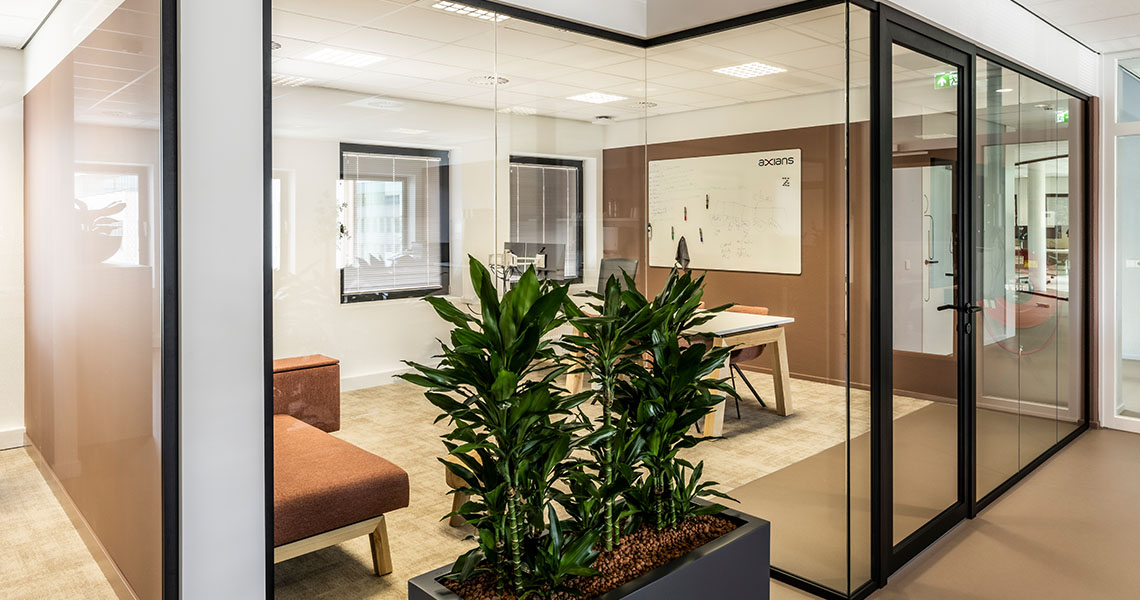
For most of its history, a whiteboard was purchased the way a stapler or a filing cabinet was: for what it did, not how it looked. That has changed as companies have started noticing that a custom whiteboard sits in near-constant view during meetings, workshops and casual conversations, making it one of the more visible fixtures in any office regardless of how it was originally chosen. This is especially true in open-plan offices, where a whiteboard is often visible from multiple desks throughout the day, not just during the meeting it was originally intended for. Once that visibility is recognised, the whiteboard’s role quietly shifts from pure equipment to something closer to a piece of office signage, and companies that make that shift once tend to keep applying it to every new space afterward.
What changed in how offices are furnished
As office design budgets have grown more sophisticated, fewer purchases are made purely on function. Furniture, lighting and finishes are increasingly chosen as part of a coherent visual identity, and a personalised whiteboard fits naturally into that same conversation once someone actually stops to consider it. This shift has been gradual rather than sudden, following the same path that branded signage, considered lighting and curated furniture took a decade or more earlier. This trajectory suggests whiteboards are simply catching up to a design standard already applied to nearly everything else in a modern workspace.
Why this shift favours bespoke over generic
A generic whiteboard cannot carry brand meaning, no matter how well it performs. A bespoke whiteboard, sized, finished and sometimes shaped to match a specific interior or brand guideline, can do both jobs at once, which is precisely why more procurement conversations now start with customisation rather than treating it as an optional upgrade. This also changes how the purchase is justified internally, since it can now be framed as a design investment rather than a purely functional cost. It also gives brand teams a genuine reason to be involved early, rather than being asked to approve a decision that has effectively already been made.
How this affects who gets involved in the purchase
Where a whiteboard order was once handled entirely by facilities or IT, brand and design teams are increasingly asked to weigh in, at least on finish and colour. This slows the purchase slightly but tends to produce a result that fits the wider office identity rather than one chosen in isolation. In practice, this often means an extra approval step, but one that most teams find worthwhile once they see the finished result installed. Over time, this collaboration tends to become smoother as both sides build a shared understanding of what a successful outcome actually looks like.
What this means going forward
As more companies experience the benefit of treating a custom whiteboard as part of their visual identity rather than pure equipment, this is likely to become the default expectation rather than a forward-thinking exception, much as branded signage and considered furniture already have. Suppliers who can support both the functional and branding sides of this request are likely to become the default choice as this expectation spreads. Companies that move early on this are likely to find it easier to attract and retain talent too, since a considered workplace tends to leave a stronger impression on both candidates and existing staff.

What a design or brand team typically checks before approving a custom whiteboard
When a design or brand representative is brought into a custom whiteboard purchase, their review tends to focus on a fairly consistent set of questions rather than an open-ended aesthetic judgement. They usually want to confirm that any colour matches approved brand guidelines exactly rather than an approximate shade, that any logo or shape use follows existing brand usage rules, and that the finish sits comfortably alongside whatever furniture and wall treatments are already specified for that space. This kind of structured review is generally quick once the request reaches them, provided the facilities or procurement team preparing the request already has the basic brand assets and guidelines to hand. Skipping this step to save time often costs more time later, since a personalised whiteboard installed slightly off-brand is likely to need reworking once someone in a design role eventually notices. Building this checklist into the standard purchasing process, rather than treating each request individually, saves time for everyone once a few requests have gone through it.
A simple way to start without a full rebrand of every whiteboard at once
Companies exploring this shift for the first time rarely need to treat it as an all-or-nothing decision. A sensible starting point is to apply the new approach to the next custom whiteboard due for replacement or the next new space being fitted out, rather than replacing every existing board across the office in one go. This lets a company test how a personalised whiteboard finish is received, refine the approach based on real feedback, and build a stronger case for wider rollout using an actual example rather than a proposal on paper. Many of the companies now treating whiteboards as a genuine branding surface arrived at that position exactly this way, one board or one space at a time, rather than through a single large decision made upfront.
Looking for a custom whiteboard?
Learn how Chameleon custom whiteboards can be specified for your project.
Need immediate help and advice with your choice?